



Beyond Certification: The Qualification Mindset Shift
Heat pump installer qualification is far more than collecting paper certificates — it’s a complete professional mindset upgrade for heating tradespeople.
Traditional gas boiler installers focus on combustion, flue design and basic pipe sizing. But qualified heat pump installers, especially those working with modern R290 systems, must master COP, SPF efficiency ratings, refrigerant dynamics and full building system integration. This is no longer basic plumbing work; it’s specialised energy engineering.
The CIBSE Domestic Heating Design Guide 2026 clearly marks this industry transition. For the first time, the guide outlines heat pump design rules that do not apply to conventional gas heating: part-load efficiency sizing, low-temperature emitter selection, and calculating a property’s thermal mass at the design stage.
This official guidance confirms what the industry already knows: heat pumps are fundamentally different technology, and they deserve updated, specialised heat pump installer qualification standards across the UK and Europe.
The Real-World Impact For Installers
If you’re building your professional heat pump installer qualification portfolio in 2026, focus on these four core pillars:
Heat pumps don’t merely replace boilers — they change how residential and commercial buildings are heated. Mastering this design-first approach makes you indispensable to homeowners, developers and industry specifiers.
Clients always ask about running costs, ROI and long-term energy savings. Being able to explain SCOP ratings, payback periods and flow temperature impact sets you apart from general fitters and lets you command higher rates with recognised heat pump installer certification.
Modern heat pumps integrate with smart home controls, solar thermal panels, battery storage and EV charging infrastructure. Installers who understand this full ecosystem gain a major competitive edge.
A complete heat pump installer qualification transforms you from an equipment fitter into a trusted independent building energy consultant.
Your 2026 Action Plan For Upgrading Qualifications
If your existing heat pump installer certification feels outdated, follow this simple roadmap to stay compliant and market-ready.
Step 1: Audit Your Current Credentials
List all your existing heat pump installer qualification certificates
Identify which credentials remain fully valid
Flag any that require renewal, refreshment or full upgrade
Step 2: Prioritise Training By Your Local Market
UK installers: MCS heat pump installer certification is essential for accessing government heating schemes and domestic retrofit projects.
EU installers: A valid F-Gas certificate heat pump qualification is the legal baseline for handling all refrigerants.
All professional installers: Dedicated R290 training course installation training across Europe is now mandatory for working with low-GWP flammable refrigerants. We support trades companies and independent engineers in sourcing fully accredited R290 training across European markets.
Step 3: Build A Structured Training Timeline
Short-term (1–3 months): Renew expired certifications immediately to avoid non-compliant work.
Medium-term (3–6 months): Complete recognised R290 training course installation training if working with modern heat pump systems.
Long-term (6–12 months): Invest in advanced qualifications to qualify for higher-value commercial projects.
Step 4: Document Everything Professionally
Maintain organised records of all training, assessments and certification renewals
Archive full commissioning documentation from every heat pump installation
Build a professional portfolio showcasing your heat pump installer qualification history and real project experience
Core Certification Pathways Explained
Heating professionals should evaluate all recognised training routes to future-proof their careers. Updating your F-Gas certificate heat pump qualification regularly keeps you aligned with evolving EU and UK refrigerant regulations.
Gaining formal heat pump installation qualification UK accreditation is now essential for anyone focusing on domestic renewable retrofits. Combining practical site experience with structured classroom training creates fully rounded technicians ready to meet modern installation and safety standards.
The MCS heat pump installer pathway remains the gold standard for UK domestic heating work. Leading training providers blend practical fitting skills with theoretical knowledge, producing job-ready installers who can deliver compliant, high-performance systems. Ongoing MCS heat pump installer training directly boosts market credibility and long-term earning potential.
Market demand for certified heat pump specialists continues to grow year on year. The official heat pump installer certification process has been streamlined to help skilled plumbers and electricians transition smoothly into renewables. Employers now prioritise candidates with verified heat pump installer certification, as compliance, safety and energy efficiency become strictly regulated.
A recognised F-Gas certificate heat pump qualification opens doors across residential, commercial and industrial HVAC projects. Industry analysts consistently rank F-Gas certificate heat pump training as one of the fastest-growing skill sectors across Europe’s heating industry.
Specialised R290 training course provision has expanded rapidly to match the rollout of low-GWP heat pump technology. Industry bodies strongly encourage installers to complete dedicated R290 training to handle A3-class refrigerants safely and stay within legal working guidelines.
FAQ
Q: How long does it take to become an MCS heat pump installer certified professional in the UK?
A: Timescales depend on your existing trade background and heat pump installer qualification. Most experienced heating engineers complete full training and assessment in 3–6 months. Beginners with no plumbing or electrical experience should allow 12–18 months to achieve full industry accreditation.
Q: Is R290 training course installation training Europe recognised across EU member states?
A: EU F-Gas regulations provide a harmonised baseline across Europe, though minor local assessment rules may vary. Core safety and refrigerant handling principles for R290 remain universal. Always verify national requirements before undertaking cross-border installation work.
Q: What’s the biggest mistake installers make with F-Gas and heat pump qualifications?
A: Relying on outdated heat pump installer qualification credentials that no longer meet 2026 regulatory standards. Many engineers discovered old certifications were invalid once they tried to renew, leaving them unable to take on compliant retrofit work.
Q: Do I need separate qualifications for residential and commercial heat pump installation?
A: MCS heat pump installer certification covers primarily domestic properties. Larger commercial projects require additional training in three-phase electrics, high-volume refrigerant handling and building management system integration. Always match your heat pump installation qualification UK training to your target project type.
A: Standard F-Gas certification lasts around 10 years, with early updates required if major regulations change. MCS accreditation needs annual surveillance audits. Any R290 training course installation training across Europe should be refreshed whenever safety standards or product specifications are updated.
Ready to Work With R290 Heat Pumps? Let’s Talk
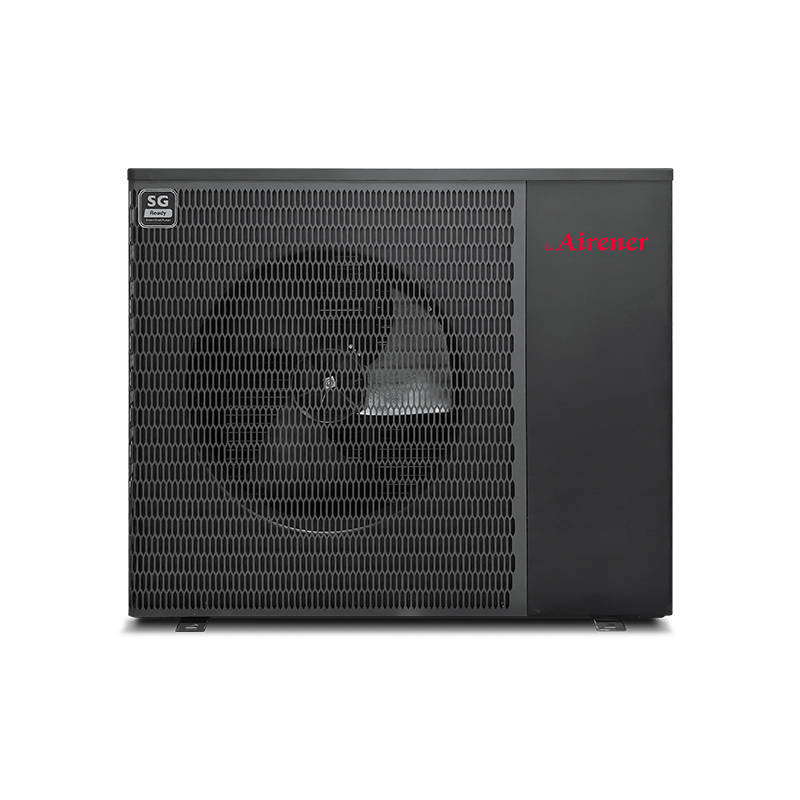
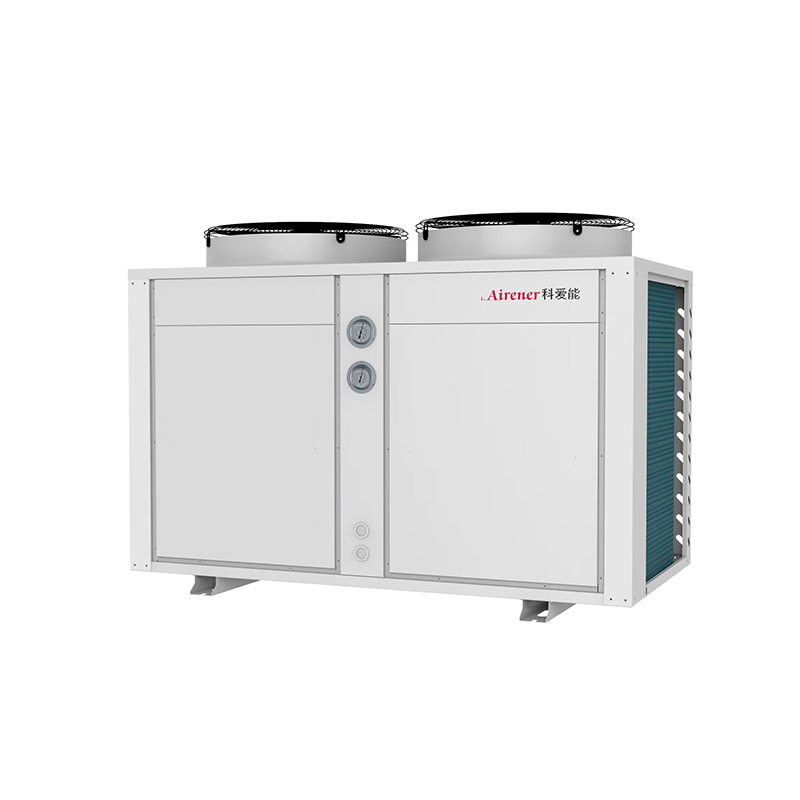
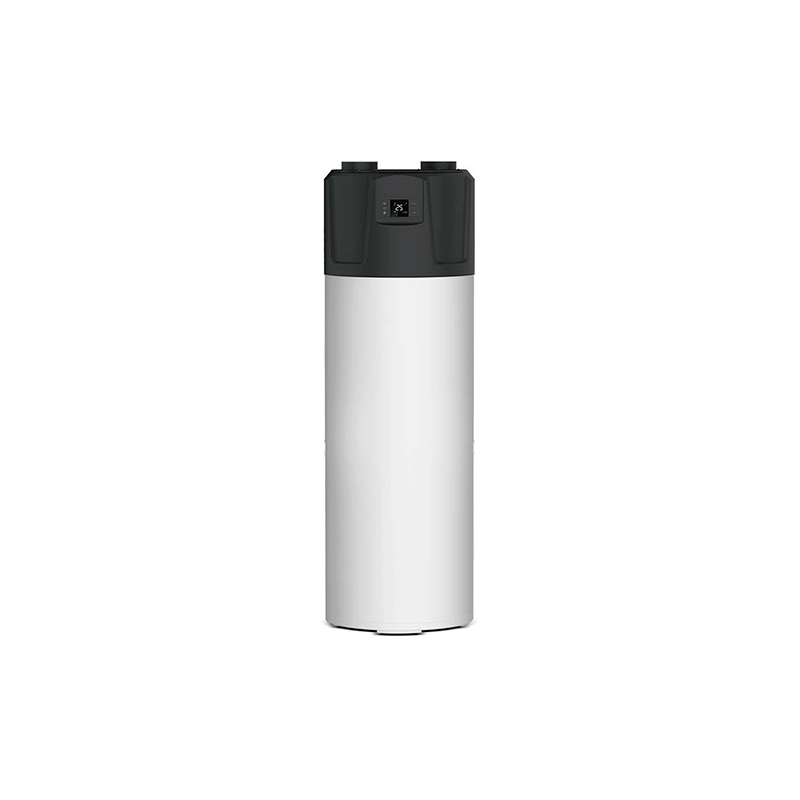
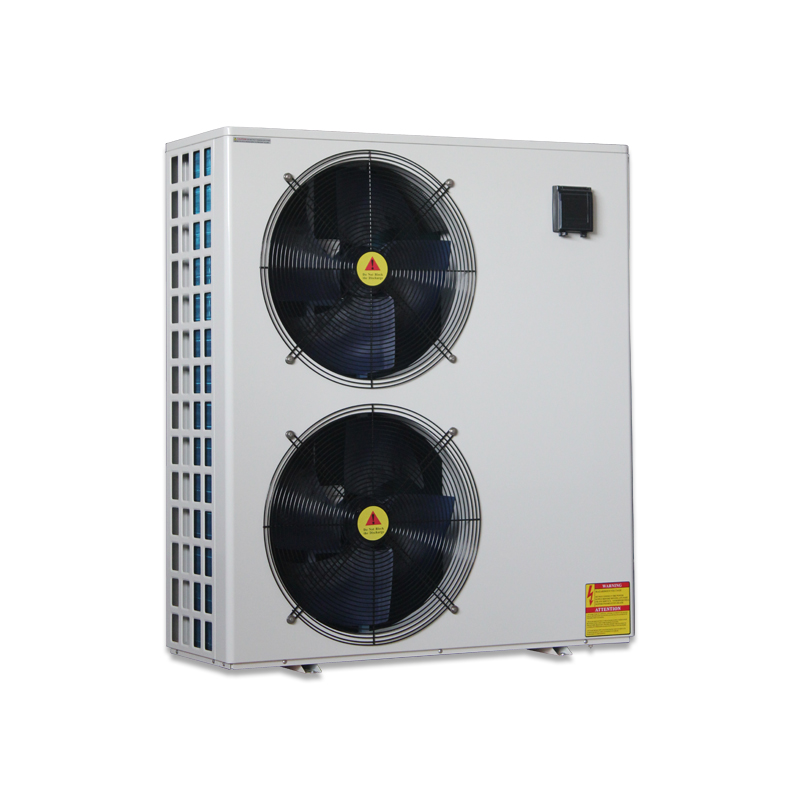
At i+Airener, we don’t just manufacture heat pumps — we build long-term partnerships with installers who take their craft and professional qualifications seriously. Our full R290 monobloc range covers compact residential units through to high-capacity commercial systems, backed by full technical guidance and structured training pathways for anyone upgrading their heat pump installer qualification.
If you’re committed to holding fully up-to-date heat pump installer certification, we’re committed to supporting your business growth. With over 30 years of heat pump manufacturing experience and a PhD-led in-house engineering team, we deliver genuine, accessible technical support whenever you need it.
Full R290 heat pump range with 60°C flow temperature and reliable -25°C low-temperature operation
CE and KEYMARK certified products fully aligned with European industry standards
Flexible OEM/ODM customisation for bespoke project and client requirements
Factory-direct competitive pricing that lets certified installers win more project quotes
Your next step is simple: reach out to our technical team to discuss your ideal certification pathway, explore our full product lineup, or arrange a live product demo. Whether you’re refreshing existing credentials or building your heat pump installer qualification from scratch, we only partner with professionals who value quality, compliance and long-term industry growth.