Walk onto any European trade floor in 2026 and you'll hear the same conversation: "What are we supposed to do about heat pump refrigerant?" The old guard—R410A refrigerant, once the darling of residential air source heat pump systems—is hemorrhaging market share faster than most suppliers anticipated. R32 refrigerant, the supposed bridge technology, is already showing cracks in its armor as F-Gas regulation quotas tighten year over year.
The revised F-Gas regulation (EU) 2024/573 didn't just change the rules—it rewrote the entire playbook for anyone sourcing or installing air source heat pump equipment that uses R410A refrigerant or R32 refrigerant.
Here's the timeline that should keep you up at night if you're holding R410A refrigerant inventory: from 2027, monobloc units and splits under 12kW using refrigerants above GWP 150 face marketing bans under F-Gas regulation. By 2032, virtually no R32 refrigerant-based air source heat pump equipment can legally enter European markets. And 2035? R410A refrigerant becomes a museum piece under F-Gas regulation.
But here's the thing—it's not just about F-Gas regulation compliance. It's about what happens to your balance sheet when customers start asking why you're still selling yesterday's heat pump refrigerant technology. The future is arriving faster than most distributors planned for in the air source heat pump refrigerant space.
Let me cut through the marketing noise: R290 refrigerant consistently delivers better COP scores than its synthetic competitors like R410A refrigerant or R32 refrigerant. We're talking 4.8 to 5.2 at standard test conditions (7°C outdoor, 35°C water supply) compared to 4.0-4.5 for R410A refrigerant and 4.5-4.8 for R32 refrigerant.
Over a system's 15-20 year lifespan, that efficiency gap translates to serious money for any air source heat pump using R290 refrigerant. Depending on usage patterns and electricity tariffs, customers running R290 refrigerant air source heat pump units can save €6,000 to €10,000 versus an equivalent R410A refrigerant system. That's the kind of number that closes deals when comparing heat pump refrigerant options.
The COP advantage also means smaller electricity bills and faster payback periods—music to any end-user's ears on an air source heat pump, whether they're a German homeowner or a Polish industrial operation considering R290 refrigerant vs R410A refrigerant vs R32 refrigerant.
Look, F-Gas regulation isn't abstract anymore for R410A refrigerant and R32 refrigerant. R410A refrigerant is already trading at €50-100 per kilogram, roughly double what R410A refrigerant cost three years ago. R32 refrigerant has climbed to €30-60/kg and suppliers expect another 20-30% increases before 2028 under F-Gas regulation. Meanwhile, R290 refrigerant costs under €10/kg and supply is, frankly, unlimited for air source heat pump applications.
That's not a competitive advantage for R32 refrigerant or R410A refrigerant—that's a structural difference driven by F-Gas regulation favoring R290 refrigerant.
For maintenance contractors, the calculus is equally compelling when choosing heat pump refrigerant. R410A refrigerant and R32 refrigerant air source heat pump units require annual leak testing under F-Gas regulation rules, typically €100-200 per visit. R290 refrigerant air source heat pump systems? No mandatory F-Gas regulation testing protocols, no record-keeping nightmares, no compliance anxiety for R290 refrigerant users.
The writing's on the wall: distributors still holding R410A refrigerant stock will find themselves clearing inventory at steep discounts as the 2030 F-Gas regulation deadlines approach. Meanwhile, forward-thinking suppliers stocking R290 refrigerant can command premium positioning in the air source heat pump market over R32 refrigerant alternatives.
Yes, R290 refrigerant is flammable. Class A3 under ISO 817, if we're being technical about heat pump refrigerant safety. But let's be real about what that means for R290 refrigerant: proper installation procedures make these air source heat pump systems safer than most people realize. The IEC/EN 60335-2-40 standard provides clear guidance on clearance distances (minimum 1.5 meters from openings) and mandatory leak detection for R290 refrigerant charges exceeding 140 grams.
Professionals who've worked with R290 refrigerant air source heat pump equipment consistently report that once you understand the handling requirements for R290 refrigerant, the installation process becomes second nature. The real danger isn't the R290 refrigerant—it's corners cut by installers who never received proper R290 refrigerant training.
If you're advising customers on R290 refrigerant options versus R410A refrigerant or R32 refrigerant, focus on certified contractors, documented commissioning procedures, and regular maintenance schedules. That's how you build trust in R290 refrigerant air source heat pump technology, not by either downplaying or exaggerating the R290 refrigerant safety profile.
Here's my take as someone who's watched this air source heat pump refrigerant market evolve: the distributors who'll thrive aren't necessarily the ones with the cheapest prices on R410A refrigerant or R32 refrigerant—they're the ones who positioned themselves correctly before the inflection point toward R290 refrigerant.
R410A refrigerant: Exit strategy needed now for air source heat pump stock. Clear remaining R410A refrigerant inventory, stop reordering R410A refrigerant, and communicate transparently with customers about why R290 refrigerant alternatives make more sense under F-Gas regulation timelines.
R32 refrigerant: Useful for immediate air source heat pump demand, but don't overextend R32 refrigerant inventory. Think of R32 refrigerant as a bridge product, not a long-term strategy as F-Gas regulation continues to tighten R32 refrigerant availability.
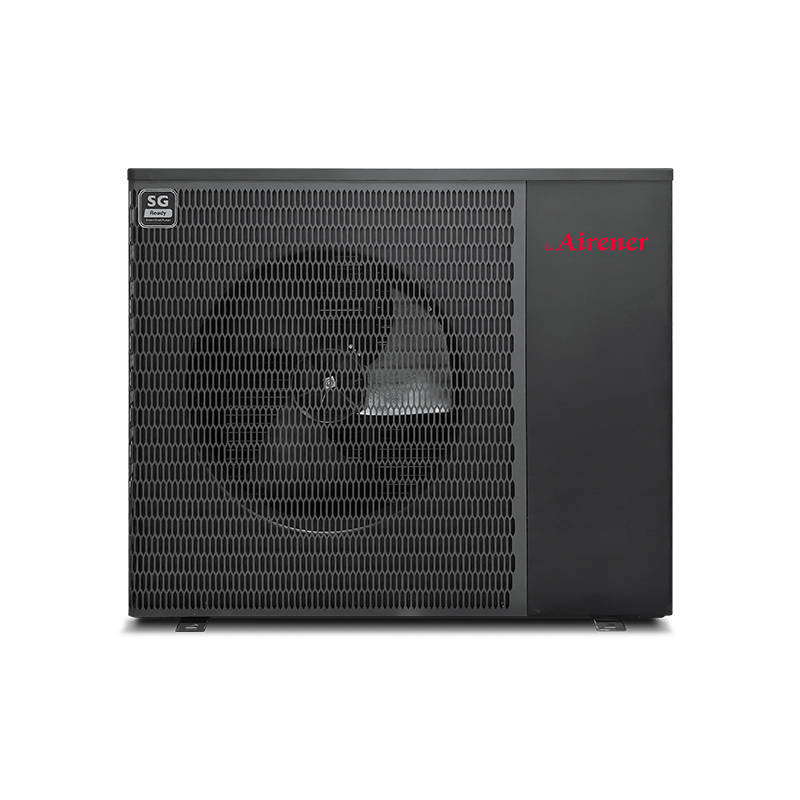
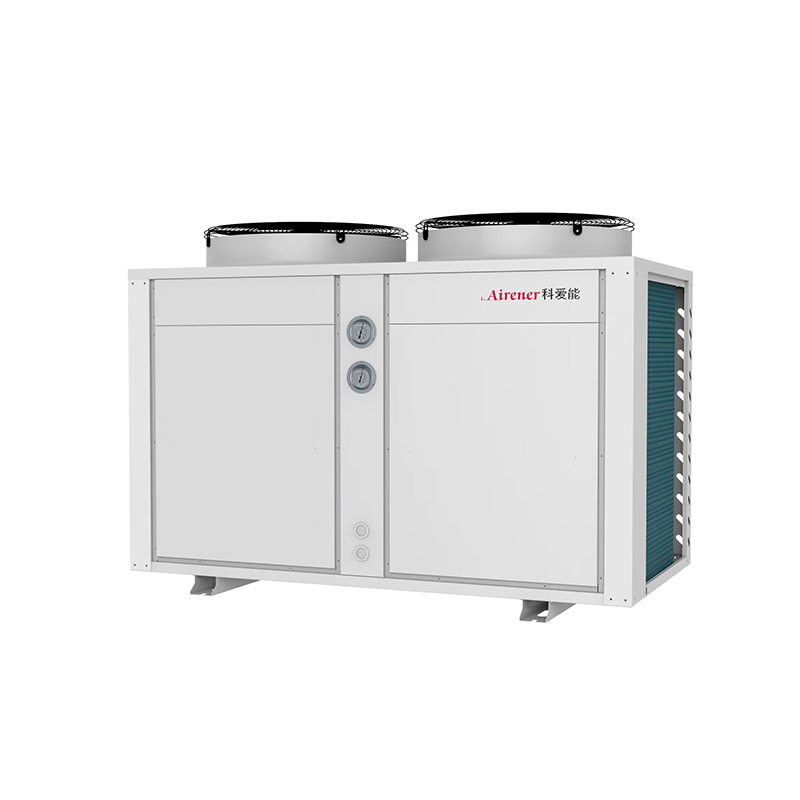
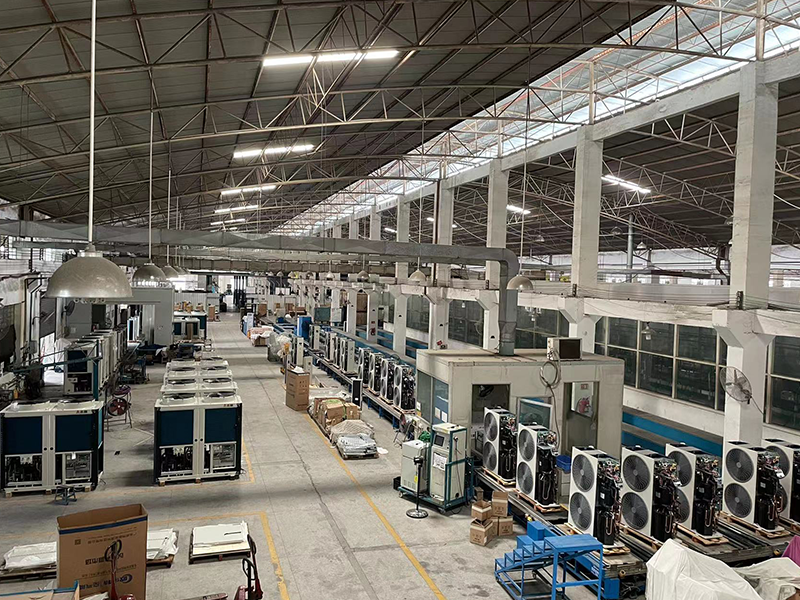
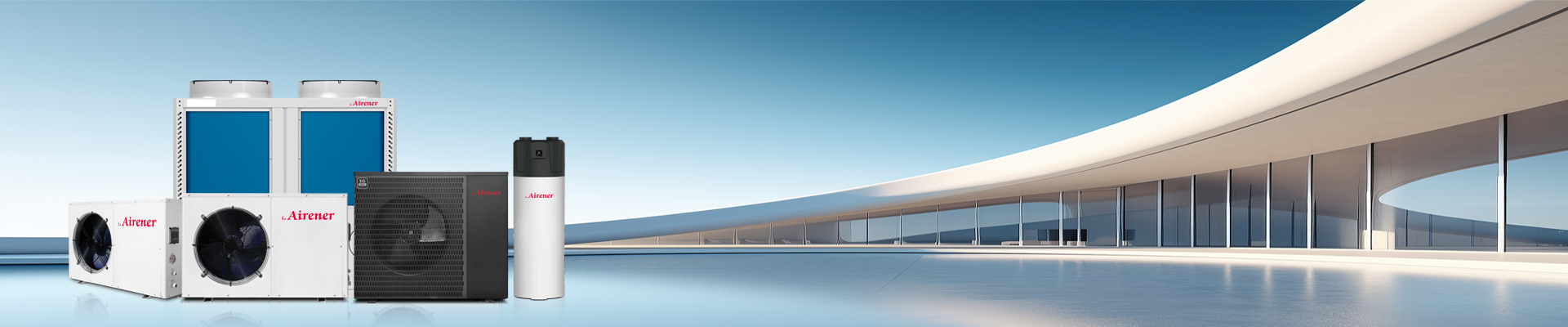
R290 refrigerant: This is where the air source heat pump market's heading for heat pump refrigerant. Brands like i+Airener—leveraging 30+ years of manufacturing expertise to deliver KEYMARK and CE-certified R290 refrigerant units at competitive price points—are capturing mindshare among European B2B partners who value the "first-class quality, second-class price" equation in the R290 refrigerant space over R32 refrigerant or R410A refrigerant alternatives.
The procurement decision isn't really about which heat pump refrigerant to choose anymore between R290 refrigerant, R32 refrigerant, and R410A refrigerant. It's about how quickly you want to make the transition to R290 refrigerant before your competitors do it for you in the air source heat pump market.
Inventory audit: Know exactly what R410A refrigerant/R32 refrigerant stock you currently hold and map it against the F-Gas regulation timeline for heat pump refrigerant
Training investment: Ensure your technical teams understand R290 refrigerant handling, A3 certification requirements for R290 refrigerant, and IEC standards for air source heat pump refrigerant
Customer messaging: Update your sales materials to reflect the real total cost of ownership for R290 refrigerant systems versus R410A refrigerant or R32 refrigerant options
Supplier conversations: Lock in relationships with manufacturers who can deliver R290 refrigerant equipment reliably for air source heat pump
Pricing strategy: Position R290 refrigerant as the premium-but-worth-it option in air source heat pump, not just the cheapest alternative to R32 refrigerant or R410A refrigerant
The heat pump refrigerant question for 2026 has a clear answer when comparing R290 refrigerant, R32 refrigerant, and R410A refrigerant. R290 refrigerant delivers superior efficiency, F-Gas regulation certainty, and long-term cost savings over R410A refrigerant and R32 refrigerant alternatives. Distributors who grasp both the technical and commercial implications of R290 refrigerant will capture market share while others scramble to adapt from R32 refrigerant and R410A refrigerant to R290 refrigerant.