

If you follow 2026 global HVAC industry dynamics closely, you’ll easily spot a clear market shift: top global manufacturers are pouring resources into upgrading their Mitsubishi R290 heat pump product lines, and the rising popularity of the R290 propane heat pump has become an unavoidable industry trend. Stricter EU F-Gas and ERP regulations push installers, property developers and engineering buyers to compare R290 vs R32 air source heat pump before procurement, while project owners of large residential compounds keep hunting for reliable commercial R290 heat pump to finish their apartment central heating heat pump supporting projects.
As a field technician and industry sourcing consultant with years of overseas project experience, I’ve witnessed firsthand the booming demand for R290-based heating equipment across Europe, Middle East and Southeast Asia year by year.
It’s no secret the mature Mitsubishi R290 heat pump dominates the small-capacity home HVAC marketplace. Most standard Mitsubishi R290 heat pump models range 5kW~35kW, designed exclusively for single-family villas and standalone private houses. The core advantage of a standard R290 propane heat pump lies in its ultra-low GWP value, which perfectly satisfies 2026 updated European environmental laws; this is the core reason leading brands like Mitsubishi prioritize the R290 propane heat pump over older R410A units. When clients start to research R290 vs R32 air source heat pump, many initially lean toward Mitsubishi’s established household products thanks to its stable after-sales and proven domestic operating performance.
Still, countless contractors hit obvious bottlenecks when planning bulk apartment central heating heat pump construction. Traditional Mitsubishi R290 heat pump never rolls out units over 40kW, meaning it cannot fill orders requiring robust commercial R290 heat pump for clustered apartments, shopping malls and industrial premises.
This critical gap is the top pain point I get from most property engineering clients who need complete apartment central heating heat pump solutions covering dozens or hundreds of housing units. After thorough R290 vs R32 air source heat pump performance and compliance comparison, many project managers give up small-size domestic Mitsubishi R290 heat pump and turn to full-range manufacturers for customized commercial R290 heat pump.
Where Big Brands Leave Big Market Vacancies for Full-Spectrum Manufacturers
All mainstream Mitsubishi R290 heat pump are standardized for single-house use only, lacking tailored designs needed for real-world diversified projects. Standard R290 propane heat pump from international giants fails to cover three key verticals: large-scale apartment centralized heating, agricultural greenhouse temperature control and data center constant-humidity cooling.
For real estate developers finishing new residential blocks, qualified apartment central heating heat pump requires 40kW~180kW high-output machines, a power bracket entirely absent from the official Mitsubishi R290 heat pump catalog. Even after detailed R290 vs R32 air source heat pump cost analysis, buyers cannot source matching large-size commercial R290 heat pump from Mitsubishi’s official lineup, forcing them to seek alternative suppliers supporting both R290 and R32 refrigerant options.
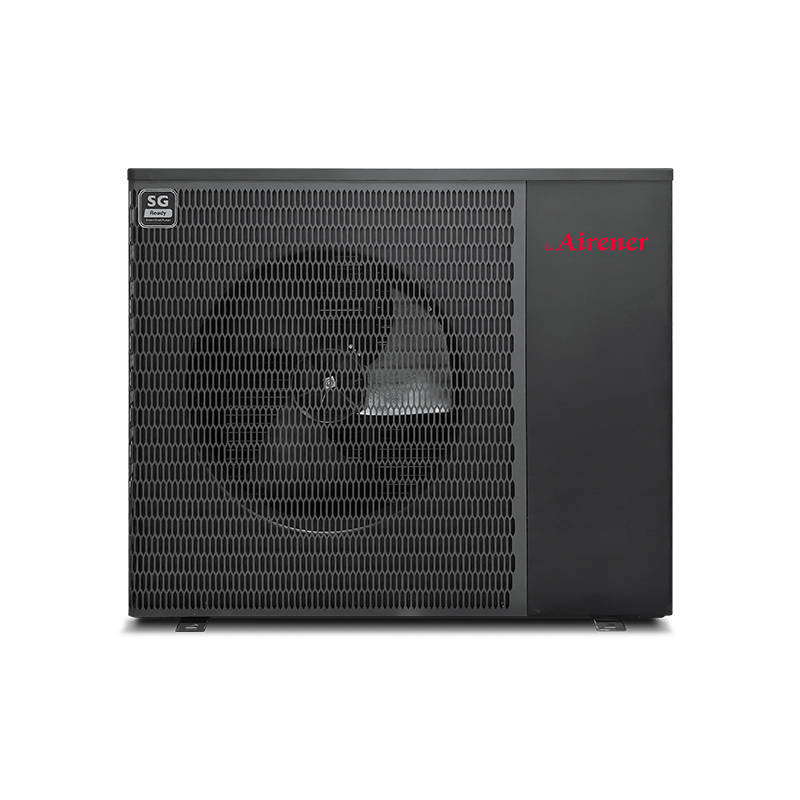
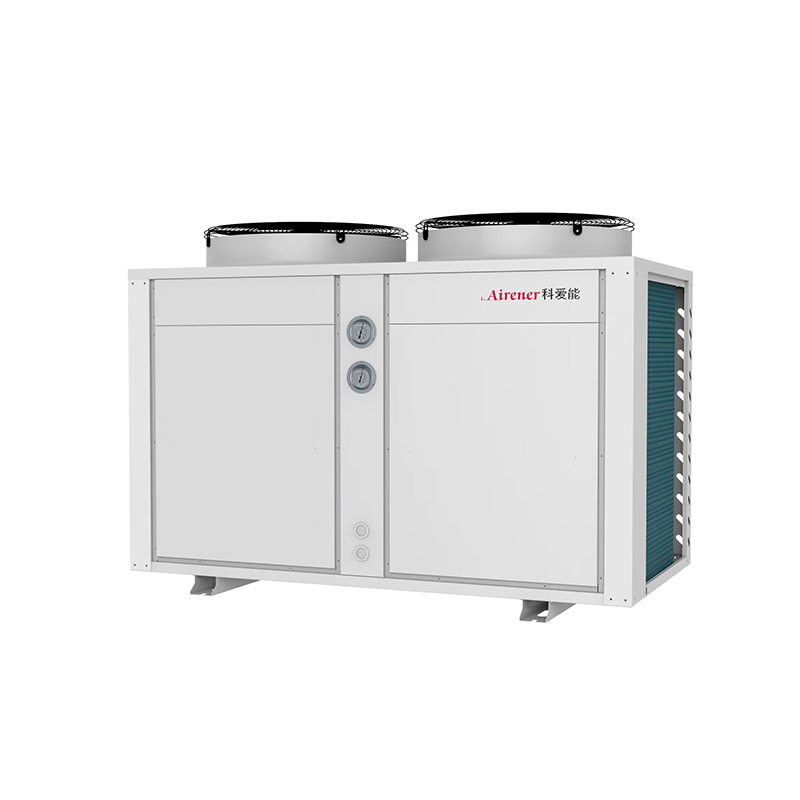
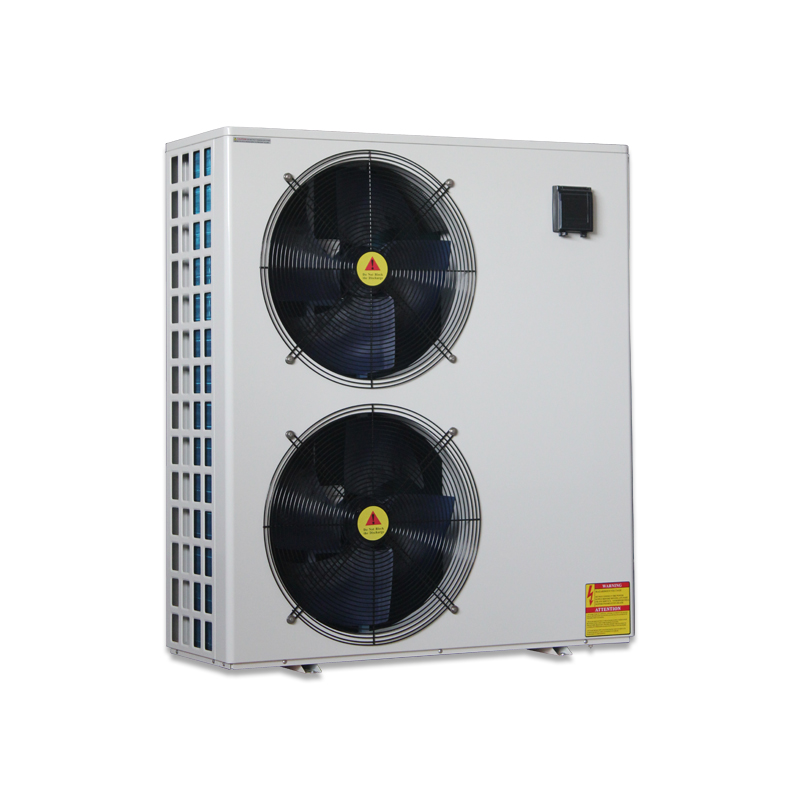
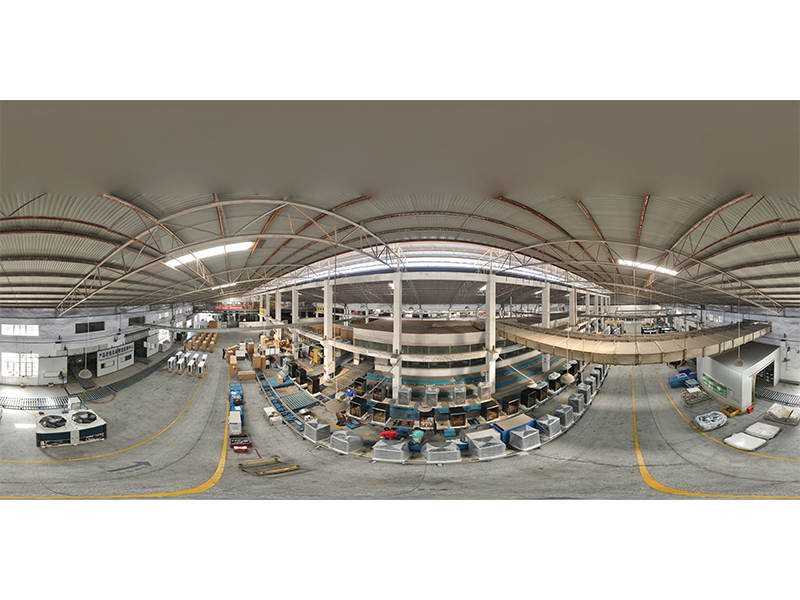
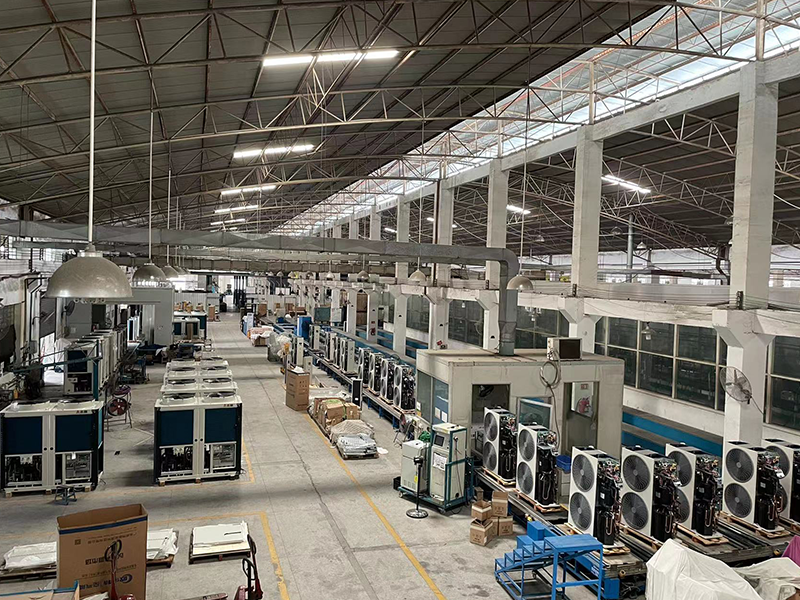
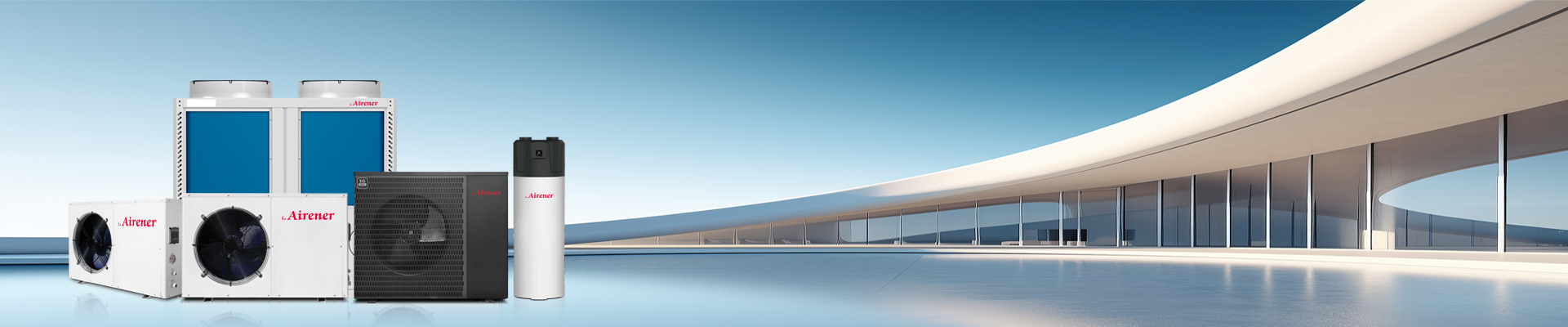
As a professional heat pump producer, Airener completes all shortages left by mainstream Mitsubishi R290 heat pump. Our residential series runs 6kW–36kW, matching household demand, while 40kW–180kW lineup acts as high-performance commercial R290 heat pump, the ideal hardware for full-set apartment central heating heat pump installation. Clients can freely pick refrigerant after their own R290 vs R32 air source heat pump evaluation, with optional premium R290 propane heat pump and cost-efficient R32 versions for all models.
Besides regular heat pump units, we also produce dedicated pool heat pumps, industrial chillers and data center constant temperature & humidity machines. All items pass CE, ERP and F-Gas certification, matching European market access rules. Whether customers need replacement options for insufficient Mitsubishi R290 heat pump, bulk commercial R290 heat pump for estate construction or verified R290 propane heat pump after finishing their R290 vs R32 air source heat pump comparison, our product portfolio can satisfy all apartment central heating heat pump and multi-industry procurement requests from real estate, farming, industrial and data center sectors.
Final Industry Conclusion
The heavy investment into Mitsubishi R290 heat pump fully confirms the global takeover of R290 propane heat pump across HVAC. As more buyers run detailed R290 vs R32 air source heat pump studies ahead of project bidding, demand for scalable commercial R290 heat pump and turnkey apartment central heating heat pump will keep soaring in 2026 and beyond. While big-name brands excel at small home devices, full-line manufacturers remain the optimal pick for cross-industry large-scale engineering orders.