Let's cut to it—if you're still running a heat pump business with outdated credentials, you're not just behind the curve. You're standing at the edge of a cliff.
The European heat pump market hit 2.62 million units across 16 markets in 2025. After a brief slowdown in 2024, the industry bounced back hard, driven by energy price volatility and tightening regulations. But here's the uncomfortable truth: that growth is creating a massive skills gap. Installers who can't demonstrate proper heat pump installer certification are watching opportunities pass to competitors who can.
CIBSE's Domestic Heating Design Guide 2026—now formally cited in updated Approved Document L—marks a fundamental shift in how the industry thinks about qualification. This isn't bureaucratic box-ticking. It's a recognition that heat pumps, especially those running on flammable refrigerants like R290, require fundamentally different skills than traditional gas boiler work.
If you're serious about staying in this game, you need to understand three certification pillars: MCS accreditation in the UK, F-Gas compliance across Europe, and the emerging R290 A3 requirements that are reshaping how professionals approach propane heat pump installation.
The Microgeneration Certification Scheme (MCS) has been the gatekeeper for UK renewable heating installations for over a decade. But in 2026, MCS heat pump installer certified heat pump installer UK credentials as an MCS heat pump installer certified heat pump installer UK, MCS heat pump installer certified heat pump installer UK, UK as an MCS heat pump installer certified heat pump installer UK carry more weight than ever—primarily because government incentives (including the Warm Homes Plan targeting 240,000 trained workers by 2030) are increasingly tied to MCS-compliant installations.
Here's what most installers get wrong about MCS heat pump installer certification: it's not just about the product you install. It's about documentation, commissioning, and a paper trail that proves your work meets specific technical standards.
What MCS actually requires:
For heat pump systems, MCS certification typically involves completing an approved qualification pathway, demonstrating competence through assessed installations, and maintaining ongoing compliance with scheme standards. The key qualifications for a MCS heat pump installer certified heat pump installer UK professional include:
NVQ Level 2 or 3 in Plumbing and Heating (or equivalent)
Completed MCS-approved heat pump training course
Demonstrated competence through witnessed installations
Annual surveillance audits to maintain certification
The practical reality? Many installers who trained under older frameworks are discovering their MCS heat pump installer certified heat pump installer UK, heat pump installer qualification, heat pump installer qualification doesn't automatically transfer to the new MCS requirements, MCS heat pump installer certified heat pump installer UK. If you're working toward becoming an MCS heat pump installer certified heat pump installer UK, UK nationally, an MCS heat pump installer certified heat pump installer UK, MCS heat pump installer certified heat pump installer UK nationally, the MCS heat pump installer certified heat pump installer UK, budget 3-6 months for training and assessment, plus ongoing costs for annual surveillance.
Why this matters for your business:
Without proper heat pump installer certification, you're locked out of government-backed incentive schemes. More importantly, you're signaling to potential customers that you haven't invested in the skills their homes deserve. In a market where trust is currency, MCS credentials are a shortcut to credibility.
If MCS is the UK-specific gatekeeper, F-Gas certification heat pump, F-Gas certification heat pump is your passport to working anywhere in the EU. The Fluorinated Greenhouse Gases Regulation has been tightening screws on refrigerant handling for years, but 2026 marks a threshold moment.
The regulation categorizes refrigerants by safety classification, and F-Gas certification heat pump, F-Gas certification heat pump, your F-Gas certification heat pump, F-Gas certification heat pump determines, F-Gas certification heat pump, F-Gas certification heat pump which categories you can touch. Here's the breakdown that matters for any heat pump installer certification program:
Category A1 refrigerants (non-flammable): R410A, R32. These have been the industry standard for residential heat pumps. The training burden is lower, but regulatory pressure on high-GWP refrigerants means these are becoming less attractive long-term.
Category A2 refrigerants (lower flammability): R32 falls here. Slightly more restrictive handling requirements, but still manageable with standard F-Gas certification heat pump, F-Gas certification heat pump training, F-Gas certification heat pump, F-Gas certification heat pump.
Category A3 refrigerants (higher flammability): The R290 R290 training course installation training Europe covers, R290 R290 training course installation training Europe safety protocols that complement your F-Gas certification heat pump, F-Gas certification heat pump skills. This is where R290 (propane) lives, and understanding it requires specific R290 R290 training course installation training Europe are significantly more demanding, and for good reason—you're working with a refrigerant that's flammable at just 2.1% concentration in air.
For any serious heat pump installer certification program in 2026, understanding this category structure isn't optional. It's foundational.
The certification pathway:
F-Gas certification typically involves:
Company-level certification (ensuring your business has appropriate equipment and procedures)
Individual technician certificates (demonstrating personal competence)
Category-specific training for the refrigerant types you handle
The EU's F-Gas regulations have specific requirements around leak detection, record-keeping, and recovery procedures for F-Gas certification heat pump, F-Gas certification heat pump technicians. Miss these, and you're not just facing fines—you're facing liability if something goes wrong. Courts take refrigerant handling violations seriously because they have real consequences. Every F-Gas certification heat pump, F-Gas certification heat pump professional must understand these requirements thoroughly.
Here's where the conversation gets interesting. R290 (propane) is the future of residential and light commercial heat pumps. The math is brutal but compelling: GWP of 3 versus R410A at 2088 and R32 at 675. When regulations push toward lower global warming impact, natural refrigerants win.
But R290 R290 training course installation training Europe isn't, R290 R290 training course installation training Europe just a checkbox exercise. It fundamentally changes how you work.
The safety reality of A3 refrigerants:
Propane is flammable. It's also explosive at the right concentrations. The lower explosion limit is 2.1%, which sounds small—but in a confined space with poor ventilation, those numbers become real risks.
This isn't scare tactics. It's physics. And it means that R290 R290 training course installation training Europe must cover:
refrigerant leak detection procedures that go beyond standard F-Gas requirements
Safe handling protocols for higher charge quantities
Ventilation requirements for enclosed spaces
Emergency response procedures specific to flammable refrigerants
Understanding of charge limits (typically 150g for split systems, but monobloc configurations have different considerations)
This comprehensive R290 R290 training course installation training Europe approach ensures every heat pump installer qualification holder has the skills to work safely with A3 refrigerants.
The business case for R290 expertise:
Here's what savvy installers are realizing: R290 competence is becoming a competitive moat for any heat pump installer certification holder.
The EU's F-Gas regulations have effectively made R290 the path forward for most residential applications. Manufacturers like Dimplex, Mitsubishi Heavy Industries, and Ferroli are all launching R290 monobloc units for the European market. The supply chain is shifting.
Installers with genuine R290 R290 training course installation training Europe credentials can:
Access the growing R290 product portfolio from multiple manufacturers
Command premium pricing for specialized skills
Position themselves ahead of competitors still clinging to older refrigerant technologies
Build relationships with manufacturers who prioritize certified installers
This R290 R290 training course installation training Europe pathway transforms your heat pump installer qualification from basic credentials into specialized expertise that commands premium rates.
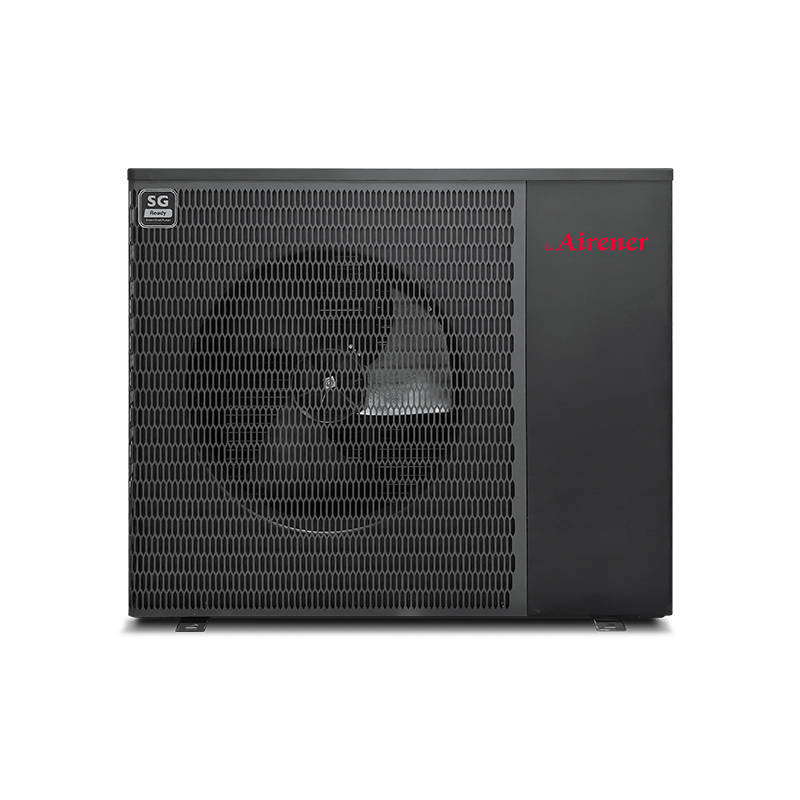
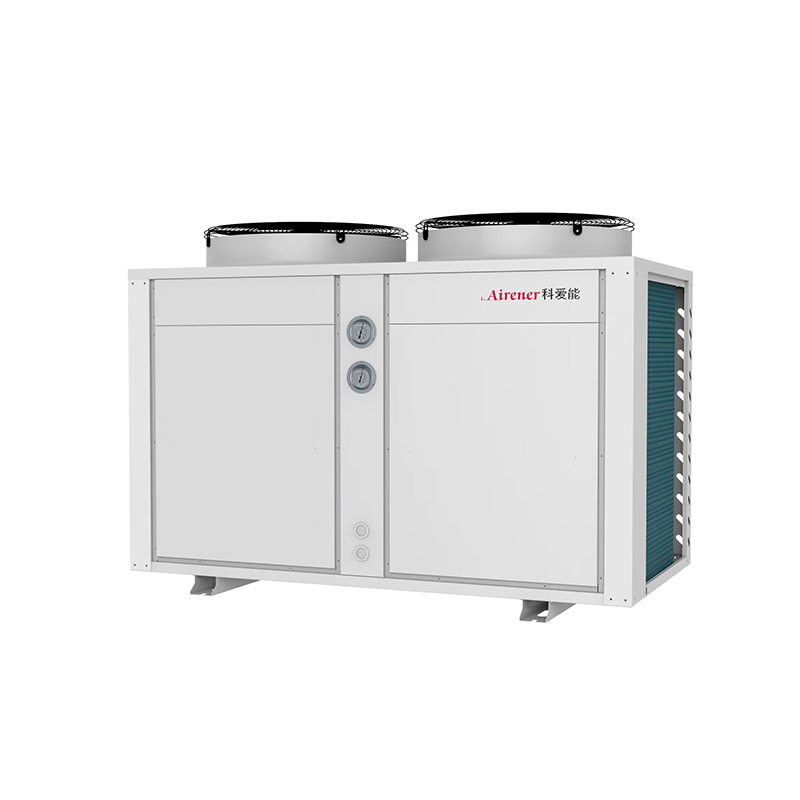
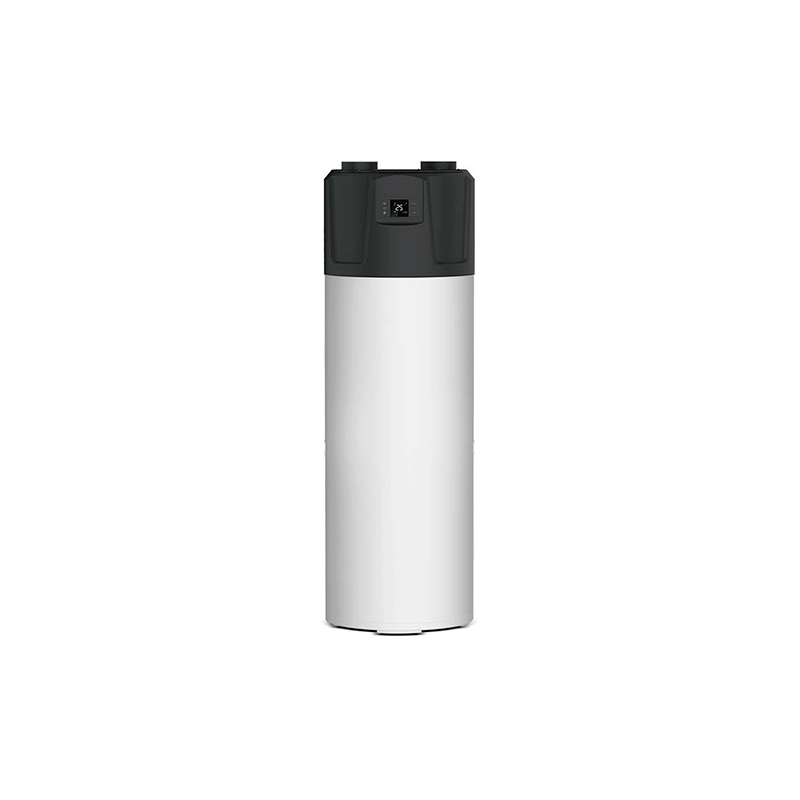
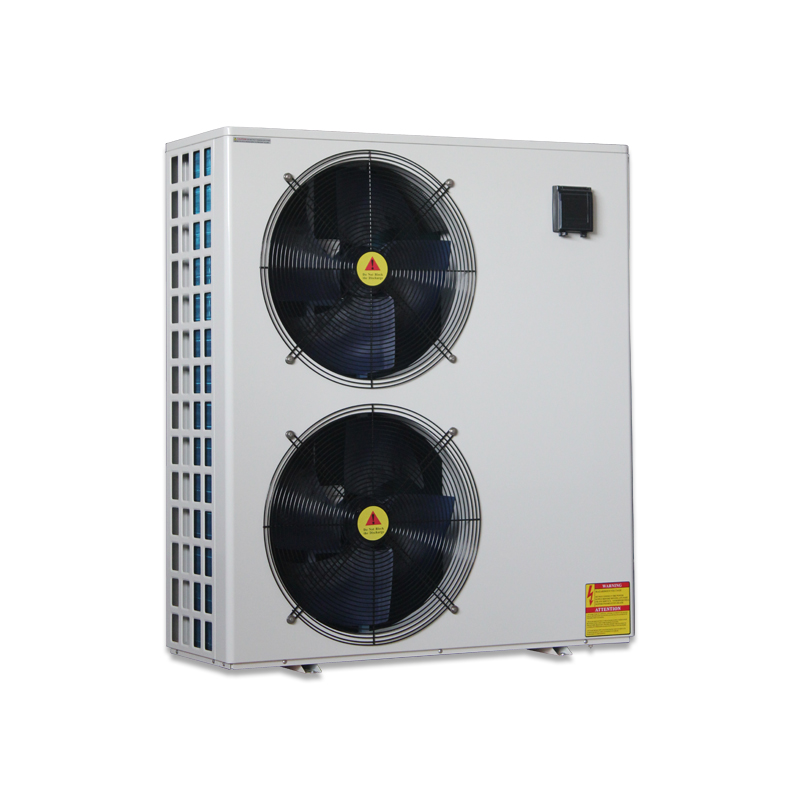
i+Airener's R290 heat pump range exemplifies this shift. Their monobloc units with flow temperatures up to 60°C and operation down to -25°C represent the performance envelope that installers need to understand. Products like these aren't just boxes—they're systems that require installers who understand the full context of propane refrigerant handling. When you hold R290 R290 training course installation training Europe certification, you're not just qualified—you're positioned at the leading edge of the industry.