


The Energy Crisis That Changed Everything
The Europe heat pump market 2026 was fundamentally reshaped in Q1 2026 when Iran closed the Strait of Hormuz on March 2. Wholesale gas prices shot up to EUR 85/MWh—pushing households across Europe to reconsider their heating options. Heat pump sales Europe Q1 2026 jumped 17% compared to the same period last year, with around 575,000 units deployed in just three months. This surge in heat pump sales Europe Q1 2026 demonstrates how energy price volatility accelerates adoption. The Europe heat pump market 2026 continues to evolve rapidly as consumers respond to changing energy economics. Heat pump sales Europe Q1 2026 show no signs of slowing as air source heat pump Europe demand remains robust. This heat pump market analysis Europe begins with energy market dynamics.
The numbers tell a compelling story: air source heat pump Europe demand jumped 17% compared to the same period last year, with around 575,000 units deployed in just three months. This air source heat pump Europe demand trend shows no signs of slowing as households seek relief from volatile gas prices. European heat pump industry growth is accelerating across the continent. Air source heat pump Europe demand drives the overall Europe heat pump market 2026 expansion. Heat pump sales Europe Q1 2026 reflect this structural shift.
Paul Kenny, Director General of the European Heat Pump Association (EHPA), put it bluntly: "If your streaming service doubled its price and blocked its movies, you'd find a better one. Consumers have realised heat pumps are the solution when gas and oil are erratic in price and supply."
The Math That Makes Sense
Here's why property owners are making the switch. Modern air source heat pumps deliver three heat units for every one unit of electricity consumed. That translates to 30-40% lower heating bills in Germany's climate alone. With gas prices this volatile, the payback period on a heat pump investment suddenly looks very attractive. This European heat pump industry growth is driven by compelling economics that favor heat pump sales Europe Q1 2026 and beyond. The Europe heat pump market 2026 rewards early adopters.
Regional Breakdown: Who's Winning and Why
Germany: Record-Breaking Momentum
The German market hit an all-time high with 150,000 installations in Q1 2026. The KfW bank's EUR 30 billion renovation commitment, combined with rising energy anxiety, created perfect conditions. Germany's energy security concerns after the Russia-Ukraine situation made homeowners particularly receptive to alternatives to natural gas. This heat pump market analysis Europe data shows Germany's leadership role in European heat pump industry growth. Air source heat pump Europe demand peaks in Germany, making it the continent's largest heat pump sales Europe Q1 2026 market.
France: Policy Stability Pays Off
France achieved 21% growth with over 300,000 units sold. The MaPrimeRénov' subsidy scheme, now stabilised after years of adjustments, gave consumers confidence to commit. France has set an ambitious target of one million annual installations by 2030, and Q1 results suggest they're on track. This heat pump market analysis Europe confirms France as Europe's second-largest market. The Europe heat pump market 2026 benefits from France's policy stability. Heat pump sales Europe Q1 2026 show particularly strong momentum in France. European heat pump industry growth in France demonstrates policy success.
Netherlands: Steady as She Goes
45,000 new units added in the Netherlands, continuing the country's strong position in heat pump adoption. The Netherlands renovates 100,000 homes annually, creating consistent demand for heating solutions.
Austria: The Subsidy Warning
Not every story is positive. Austria saw a 30% decline—directly linked to reduced government subsidies. This serves as a stark reminder: policy support remains the swing factor in heat pump adoption.
The R290 Factor: Why Refrigerant Choice Matters
Within the broader European heat pump industry growth, there's a clear shift toward low-GWP solutions. R290 heat pumps—using propane with a GWP of just 3—accounted for 38% of new EU certifications in 2024, up from 3% in 2021. Air source heat pump Europe demand increasingly favors R290 models. This heat pump market analysis Europe reveals R290 as the dominant trend.
By 2030, the F-Gas Regulation will ban refrigerants with GWP above 750. R32 (GWP=675) gets a temporary pass but faces elimination from new heat pumps by 2030. R290, with its near-zero environmental impact, has no regulatory expiry date. This heat pump market analysis Europe confirms R290 as the future-proof choice. Air source heat pump Europe demand for R290 technology continues to accelerate. European heat pump industry growth will increasingly center on R290 technology. This heat pump market analysis Europe underscores the regulatory advantage of R290 products.
For distributors and installers, this means stocking R290-ready products today positions you ahead of the regulatory curve. European heat pump industry growth will increasingly center on R290 technology.
FAQ
What drove the 17% heat pump sales increase in Europe?
Rising energy prices following the Strait of Hormuz closure in March 2026 pushed wholesale gas to EUR 85/MWh. Households facing volatile gas and oil costs turned to heat pumps as a stable, efficient alternative. The Europe heat pump market 2026 saw approximately 575,000 units sold across 11 European countries in Q1 2026.
Which European countries saw the strongest heat pump demand?
Germany led with a record 150,000 installations. France, Germany, and Poland averaged 25% growth. France exceeded 300,000 units, while the Netherlands added 45,000. However, Austria saw a 30% decline due to reduced government subsidies.
Why are heat pumps becoming more popular despite higher upfront costs?
Modern air source heat pumps deliver three heat units per electricity unit consumed. This efficiency translates to 30-40% lower heating bills in typical European climates. With rising energy prices, the payback period has shortened significantly, making heat pumps economically attractive despite higher initial investment.
How does the F-Gas Regulation affect heat pump refrigerant choices?
The F-Gas Regulation phases down high-GWP refrigerants, with R32 (GWP=675) banned from new heat pumps by 2030. R290 (propane, GWP=3) faces no such restrictions. For distributors, stocking R290 products now ensures compliance with future regulations.
What role do government subsidies play in heat pump adoption?
Austria's 30% sales decline demonstrates subsidy impact directly. Conversely, countries with stable incentive programs like France and Germany show strong growth in the Europe heat pump market 2026. The UK offers £7,500 through the Boiler Upgrade Scheme, while Germany provides substantial BEG funding.
Ready to stock up on future-proof heating solutions?
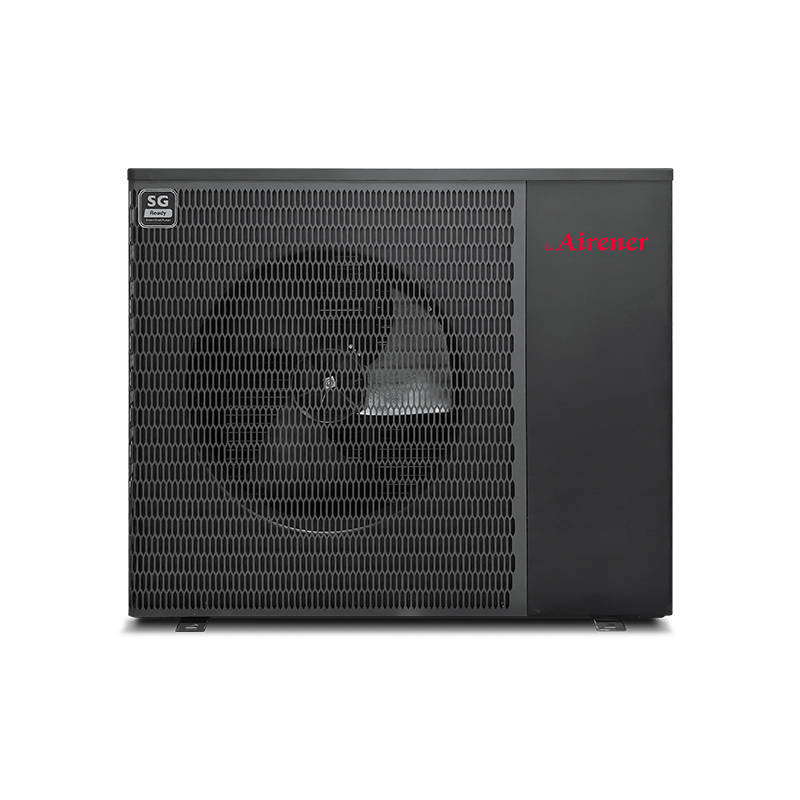
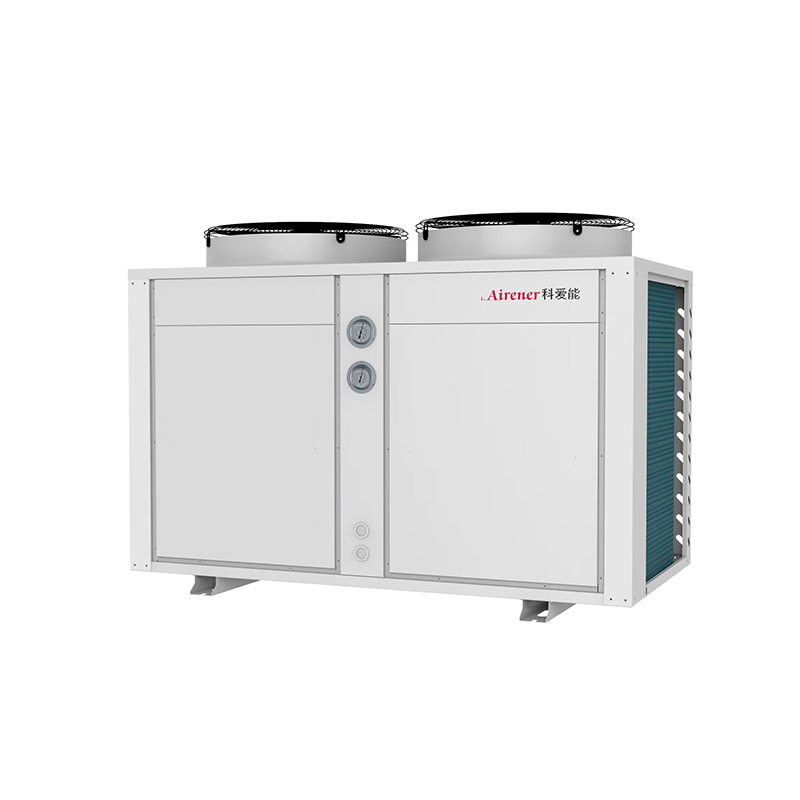
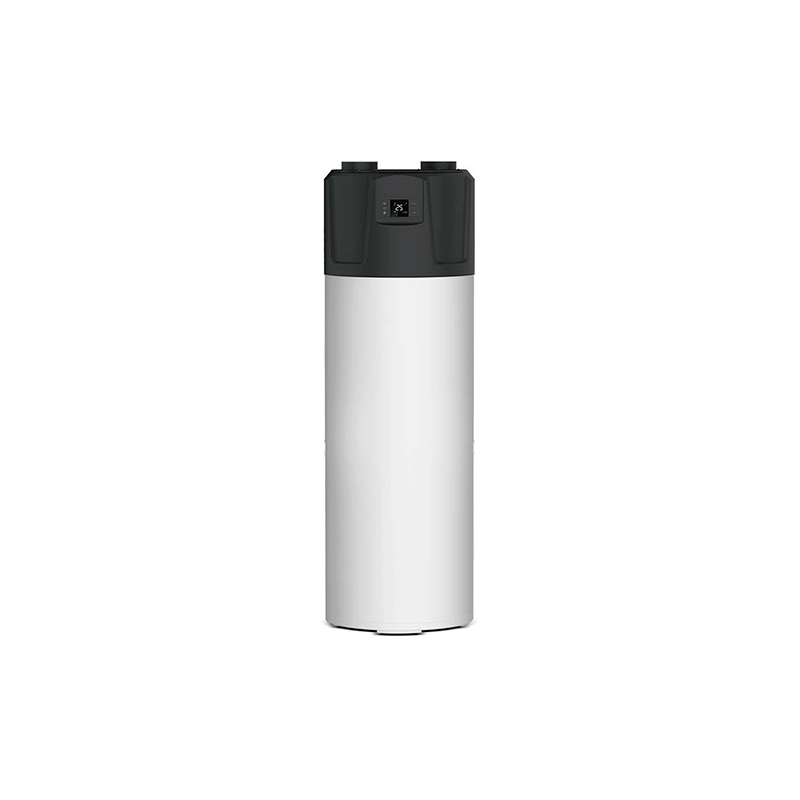
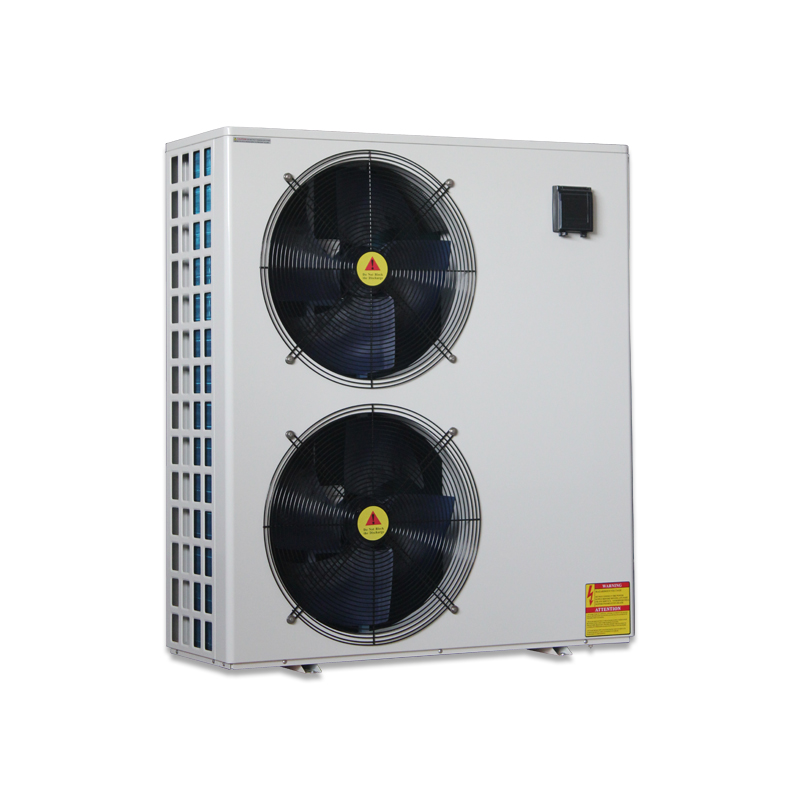
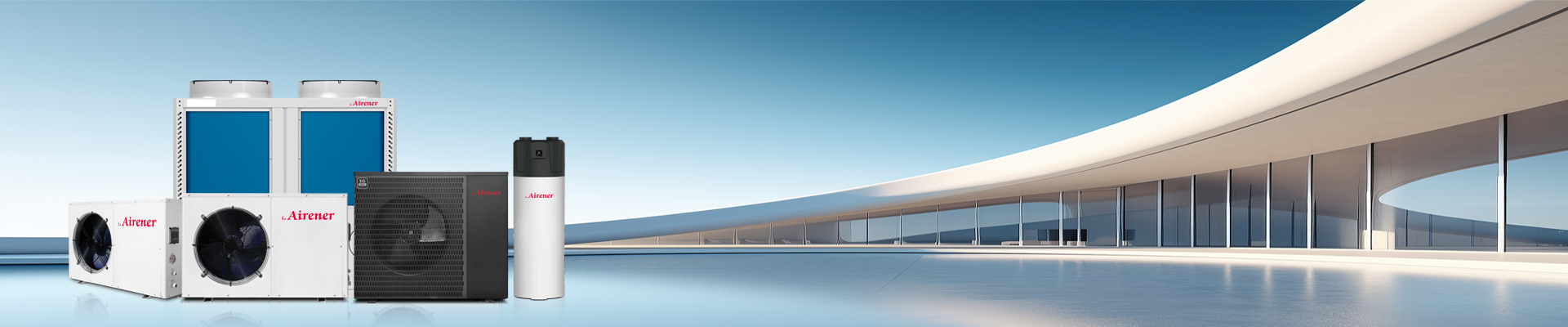
i+Airener delivers first-class quality at second-class prices. Our R290 heat pump range operates flawlessly from -25°C to +43°C, comes CE/KEYMARK certified, and includes flexible OEM/ODM options for your specific market needs.
With 30+ years of manufacturing excellence and PhD-led R&D, we're the partner European distributors trust for reliable supply and competitive margins.
Contact us today for bulk pricing and dedicated account support.
Transform the European heat pump opportunity into your competitive advantage.