Let me start with some figures that should make every commercial heating professional sit up and pay attention.
The
global commercial heat pump market stood at approximately $15.8 billion
in 2025. Industry projections suggest growth to $45.68 billion by
2035—a compound annual growth rate of 11.2%. These aren't optimistic
projections from manufacturers trying to sell commercial R290 heat pump
equipment. These are projections backed by regulatory reality, energy
economics, and market momentum that's now nearly impossible to reverse.
But here's the number that really matters for decision-makers: GWP of 3.
That's
propane's Global Warming Potential. Compare it to R410A at 2088 or R32
at 675. When you calculate the total climate impact of a commercial R290
heat pump system—including refrigerant leaks over a 15-year operational
life—the advantage of natural refrigerants becomes decisive.
This
isn't environmental idealism. It's basic physics meeting policy
reality. The EU's F-Gas regulations have been compressing the
addressable market for high-GWP refrigerants for years. 2026 marks the
point where commercial buyers can no longer defer decisions about
commercial heating decarbonization.
Understanding
why commercial heating systems are pivoting to propane requires
understanding what's changed in R290 monobloc air source heat pump
technology, R290 monobloc air source heat pump, R290 monobloc air source
heat pump.
Safety misconceptions:
The
flammable nature of R290 (propane) has historically made some
specifiers nervous. But safety concerns have been systematically
addressed through engineering controls:
Modern R290 monobloc air source heat pump units use sealed configurations that eliminate most field charging requirements
Refrigerant charges are limited to safe thresholds for the intended application
Leak detection sensors automatically shut down systems if concentrations approach dangerous levels
Outdoor installation provides inherent ventilation that eliminates accumulation risk
The
technical reality is that a properly installed commercial R290 heat
pump is no more dangerous than the gas systems it replaces. The
difference is that the risk profile is better understood and managed
through established safety protocols.
Performance envelope:
Recent
R290 releases from Dimplex, Mitsubishi Heavy Industries, and Ferroli
have pushed the performance envelope for R290 monobloc air source heat
pump applications in ways that expand commercial applicability:
| R290 monobloc air source heat pump Specification | Typical R290 monobloc air source heat pump Performance |
|---|
| Flow temperature | Up to 75-85°C (some models) |
| Operating range | -22°C to +40°C (heating mode) |
| SCOP | Up to 5.2 at average climate conditions |
| Modular capacity | Scalable to 500kW via cascade |
These
specifications address the historical objections to commercial heating
decarbonization in retrofit applications. high temperature heat pump
commercial, high temperature heat pump commercial, high temperature heat
pump commercial, high temperature heat pump commercial, delivery means
compatibility with existing radiator systems. Extended low-temperature
operation handles northern European climates. Scalability enables larger
commercial buildings.
The
EU's F-Gas regulations have been telegraphed for years. In 2026, the
timeline is becoming urgent for any commercial R290 heat pump strategy.
Key regulatory drivers:
HFC phase-down schedules have progressively tightened allowable GWP thresholds
The revised Energy Performance of Buildings Directive mandates
zero-emission standards for new public buildings from 2028 and all new
buildings from 2030
National subsidies increasingly favor natural refrigerant solutions
Carbon pricing mechanisms make high-GWP refrigerant costs more significant
For
commercial building owners and operators, the message is clear:
investments in commercial heating decarbonization need to align with
these timelines. Systems installed today with HFC refrigerants may face
operational restrictions or economic obsolescence before their natural
end-of-life.
The real estate angle:
Commercial
properties with poor energy performance face increasing regulatory and
market pressure. Energy Performance Certificate (EPC) ratings affect
property values, tenant attraction, and regulatory compliance. High
temperature heat pump commercial systems—particularly those using
low-GWP refrigerants—improve EPC outcomes in ways that directly impact
asset value.
Not
every commercial application needs a commercial R290 heat pump. But the
overlap between "suitable" and "advantageous" is larger than many
specifiers realize.
Apartment blocks and residential complexes:
Dimplex's
new LA series targets this segment directly with R290 monobloc air
source heat pump technology. With capacities from 19.6kW to 41.8kW per
unit and modular scaling to 500kW via cascade configuration, these
systems address heating loads typical of multi-unit residential
buildings. The monobloc design simplifies installation while R290
refrigerant delivers the environmental credentials increasingly required
by local authorities.
Light commercial and hospitality:
Hotels,
restaurants, and small commercial premises often have high domestic hot
water demands combined with space heating needs. High temperature heat
pump commercial systems with flow temperatures reaching 75-85°C
eliminate the need for separate hot water generation in many cases,
streamlining commercial heating decarbonization efforts.
Industrial process heat (low temperature):
Many
industrial processes require temperatures below 100°C—well within the
capability of modern commercial R290 heat pump systems. Food processing,
textile manufacturing, and chemical production all have applications
where commercial heating decarbonization via heat pump is technically
viable.
Retrofit of existing systems:
The
ability to cascade multiple R290 monobloc air source heat pump units
enables retrofit applications where a single large boiler might be
replaced by multiple smaller heat pumps. This approach offers redundancy
benefits while enabling gradual capacity expansion.
R290
ASHP supplier Europe, R290 ASHP supplier Europe, R290 ASHP supplier
Europe, R290 ASHP supplier Europe isn't just about the box you're
buying. It requires evaluating several factors that determine long-term
success in commercial heating decarbonization:
Manufacturing expertise:
R290
technology requires different manufacturing competencies than
conventional refrigerant systems. Look for R290 ASHP supplier Europe
partners, R290 ASHP supplier Europe, in our network with demonstrated
experience in natural refrigerant products—not just recently added R290
models to an existing catalog.
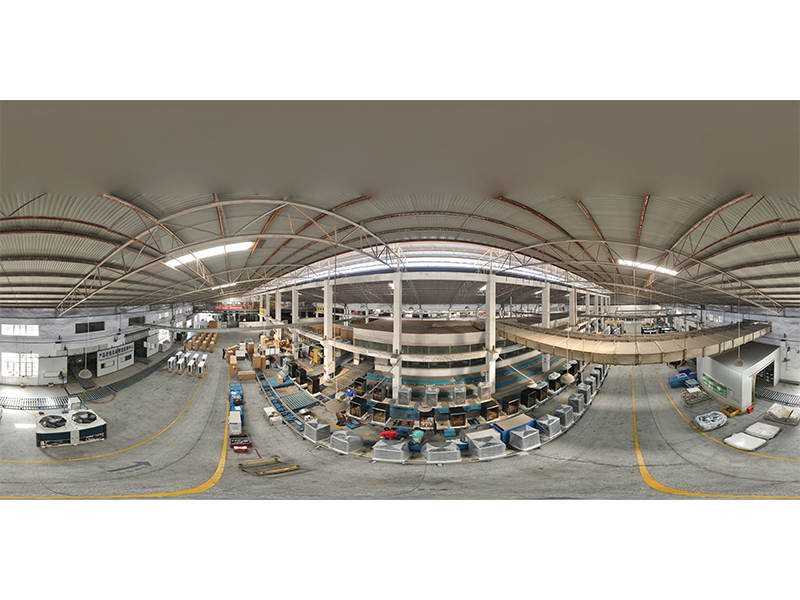
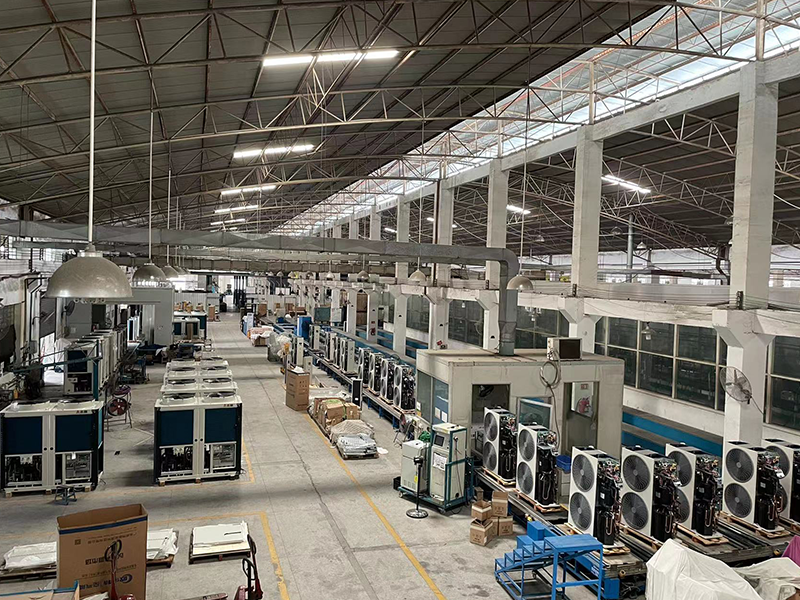
i+Airener
brings over 30 years of heat pump manufacturing experience to the
European market. Our R&D team, led by PhD-level engineers, has
developed commercial R290 heat pump solutions that balance performance,
reliability, and environmental responsibility.
Technical support:
Commercial
installations require commissioning support, operational documentation,
and responsive troubleshooting from your R290 ASHP supplier Europe.
Evaluate whether suppliers offer genuine technical engagement or simply
drop-ship equipment with limited support infrastructure.
Certification and compliance:
CE
marking is baseline. KEYMARK certification demonstrates compliance with
European standards specifically. For commercial applications, verify
that high temperature heat pump commercial products meet relevant ErP
directive requirements for seasonal efficiency.
Customization capability:
Standard
products don't fit every application. Look for R290 ASHP supplier
Europe partners, R290 ASHP supplier Europe, in our network offering
OEM/ODM capabilities for projects requiring specific configurations,
capacities, or integration requirements.
Service network:
Heat
pumps are long-life assets. Your relationship with your chosen R290
ASHP supplier Europe, R290 ASHP supplier Europe extends beyond the
initial purchase. Assess spare parts availability, service engineer
access, and warranty terms before committing.
Your next step:
Contact our commercial team to discuss your commercial heating
decarbonization roadmap. Whether you're evaluating a single building or
planning a multi-property strategy, we have the products and expertise
to support your goals.